Serving Huntsville, TX and nearby areasMon–Sat 8:00 AM – 6:00 PM · (936) 280-8706

Rodent proofing · Entry-point sealing

Rodent Exclusion in Huntsville, TX

If rats or mice keep coming back, the house still has an open door somewhere. Rodent exclusion finds every gap on the roof, walls, foundation and garage and closes it with metal and mesh that rodents can't chew through.

  • Roof to foundation
  • Metal, not foam
  • Vents stay open
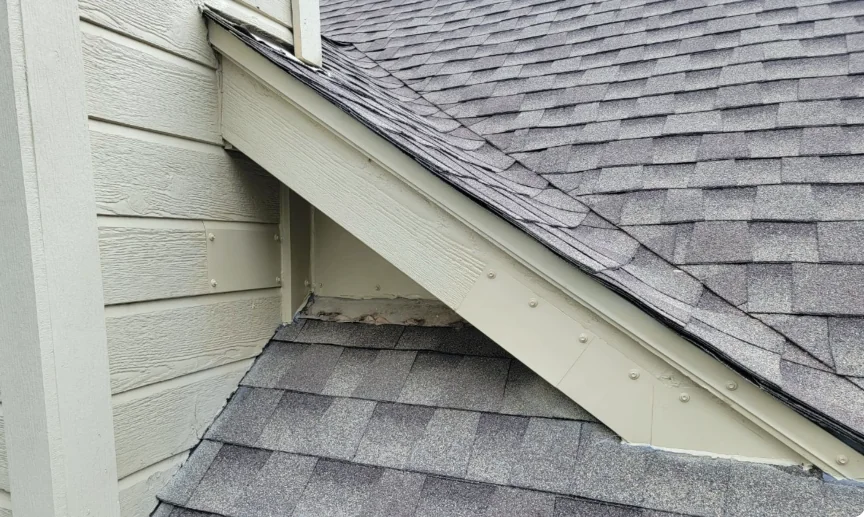
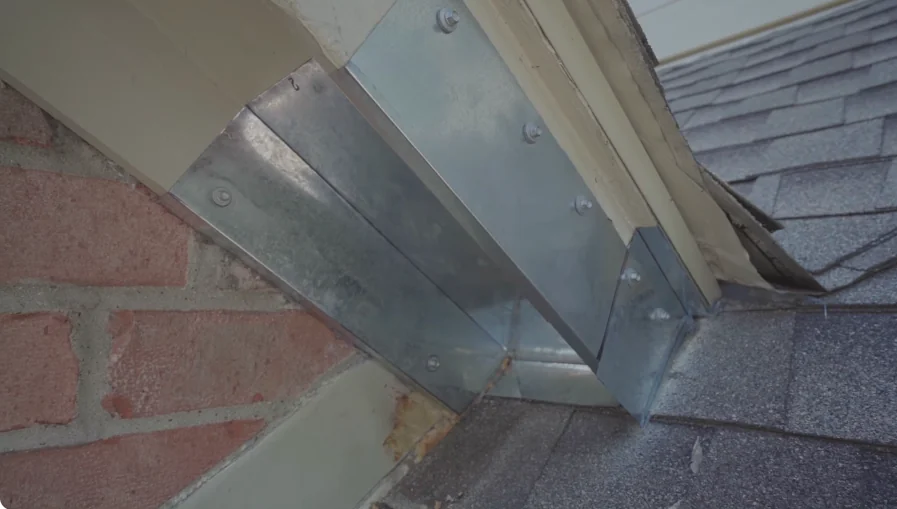
Sheet metal flashing installed where a roof meets a brick wall to keep roof rats out

Quick answers about rodent exclusion

What is rodent exclusion?

Rodent exclusion means physically sealing a building so rats, mice and squirrels can't get in. Instead of only removing the animals inside, it closes the openings they use, from roofline gaps and vents to weep holes and pipe penetrations. It's the part of rodent control that keeps working after the traps are gone.
Why didn't the spray foam work?

Rats and mice chew through expanding foam with little effort, and some even nest in it. Foam can fill the space behind a repair, but on its own it's a short-term fix. Lasting exclusion uses steel or copper mesh, hardware cloth or sheet metal at the opening, with sealant to finish the edges.

How long does exclusion take?

Many homes can be sealed in a single long visit, while two-story houses, steep roofs and older homes with lots of gaps can take more than one day. The provider may also leave a few openings monitored until the rodents already inside are trapped, then return to close them.

Why trapping alone keeps failing

Trapping and exclusion solve two different problems. Traps remove the rodents that are already inside. Exclusion stops new ones from arriving. If you only trap, the house stays attractive and accessible, and rodents living in the trees, sheds and fields around your home keep finding the same way in.

That's especially true around Huntsville, where many homes are surrounded by pine and hardwood cover and sit near pastures, creeks or greenbelts. There is always another rat or mouse nearby. Sealing the house is how you stop being the easiest shelter on the block.

For active infestations, exclusion usually goes hand in hand with removal. If you're dealing with rats right now, the rat removal process explains how trapping and sealing are timed together. For mice in the kitchen or walls, see the mice exterminator guide.

Rodent entry point checklist for Huntsville homes

Here are the places a provider checks on a typical East Texas house, which rodents tend to use each one, and the usual fix. Mice need only about a quarter-inch gap, rats about half an inch, and squirrels a bit more, but squirrels will chew a small gap bigger.

Common entry points and how they're sealed
Entry pointCommon usersTypical fix
Roof-to-wall junctions, dormersRoof rats, squirrelsSheet metal flashing, hardware cloth behind trim
Soffit corners and fascia gapsRoof rats, squirrels, miceHardware cloth or metal, fastened and sealed
Gable, ridge and roof ventsSquirrels, roof ratsHeavy-gauge mesh screens or vent guards
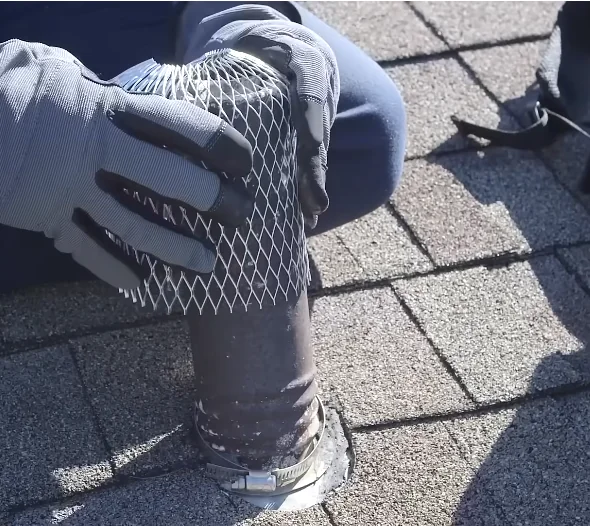
Plumbing vent stacksRoof ratsMesh vent caps sized to the pipe
Brick weep holesMiceBreathable weep hole covers
AC, gas, cable and plumbing penetrationsMice, ratsSteel or copper mesh packed in, sealant over
Garage door corners and bottom sealMice, Norway ratsNew seal, corner seals, rodent-resistant strips
Entry doors and dryer ventsMiceDoor sweeps, dryer vent guard with working flap
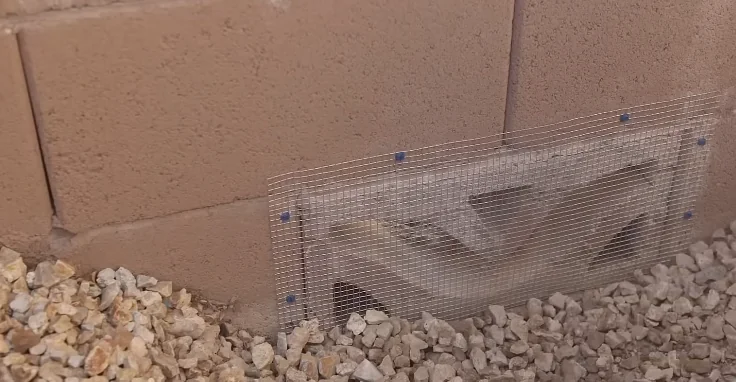
Crawl space and foundation ventsNorway rats, miceHardware cloth vent covers, repaired access doors
Tree limbs touching the roofRoof rats, squirrelsTrim branches back from the roofline

Rodents keep coming back?
Ask a local provider for a full entry-point inspection.

Call (936) 280-8706

Materials that work, and ones that don't

The material matters as much as finding the gap. Rodents test repairs by gnawing at the edges, so anything soft, thin or loosely fastened tends to fail within months.

Exclusion materials compared
MaterialGood forNotes
Galvanized hardware clothVents, soffits, crawl space openingsStrong, lets air through, fastened with screws or staples
Sheet metal flashingRoof junctions, chewed fascia, larger gapsVery durable, can be painted to match trim
Steel or copper meshPipe and wire gaps, small holesPacked tight, then sealed over; copper won't rust
Weep hole coversBrick veneerKeep the wall draining while blocking mice
Exterior sealantFinishing edgesSeals edges around metal; not a barrier on its own
Expanding foam aloneNot recommendedEasily chewed; only useful behind a metal barrier
Plastic or thin window screenNot recommendedRodents chew straight through it

How rodent exclusion is done

  1. Full exterior inspection

    The roof, roofline, walls, foundation and garage are checked, and every gap, gnaw mark and rub mark big enough for a rodent is marked.

  2. Plan the order of work

    Some openings are sealed right away; others stay monitored or get one-way devices until the animals inside are out.

  3. Seal with chew-proof materials

    Hardware cloth, mesh, flashing, vent guards, weep hole covers, door sweeps and sealant close each opening.

  4. Protect ventilation

    Soffit, gable, ridge and foundation vents get screened instead of blocked, so the attic and crawl space still breathe.

  5. Inspect and adjust

    Follow-up visits look for fresh gnawing or missed gaps, and the last openings get closed once activity has stopped.

Timing is a big deal. Sealing every opening while rodents are still inside can trap them in the walls, where they may chew new holes or die and cause an odor. That's why the work is usually staged.

These example photos show common repairs on homes like the ones around Huntsville.

Mesh guard being fitted over a roof plumbing vent pipe
Plumbing vent guardA mesh cap keeps roof rats out of the vent stack.
Hardware cloth cover fastened over a foundation vent
Foundation vent coverHardware cloth over a vent keeps airflow but blocks rats.
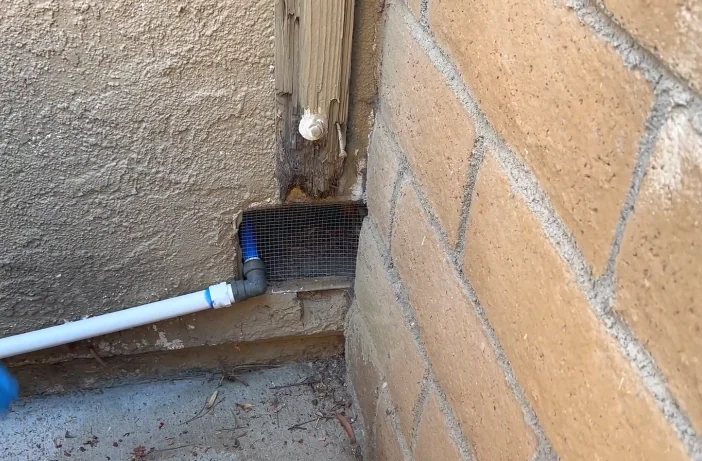
Pipe entering a brick wall with the gap sealed by mesh
Sealed pipe gapMesh packed into a utility gap, then sealed at the edges.
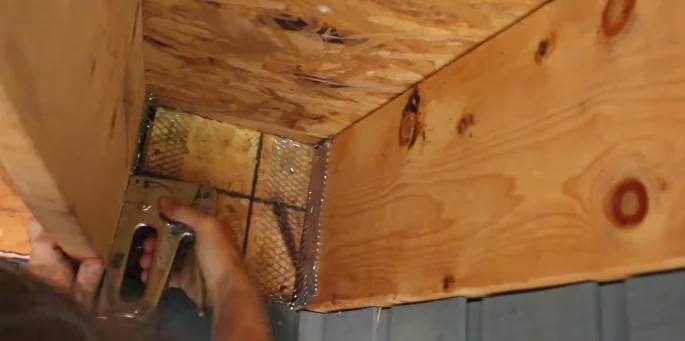
Hardware cloth being stapled across an open eave
Eave closed offHardware cloth fastened across an open eave gap.
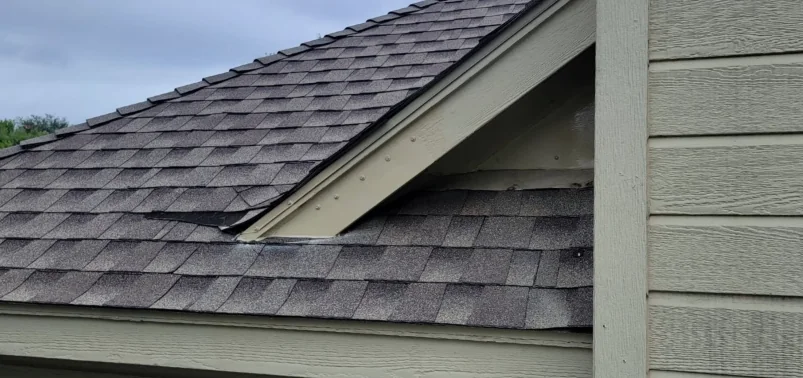
BeforeOpen gap at a gable where a lower roof meets the wall
AfterThe same gable gap closed with metal and painted to match the trim

Exclusion for squirrels and one-way doors

Squirrels are strong chewers, so the repair has to be tougher than it would be for mice. They're also active by day, which makes one-way doors a good fit: the device is mounted over the main entry hole, the squirrel leaves to feed and can't get back in, and the hole is then sealed permanently. Late winter and late summer are nesting seasons, and a good provider checks for young before closing anything. The squirrel removal page covers that timing in detail.

Don't block what the house needs

Some do-it-yourself repairs cause new problems. Weep holes in brick let water drain out of the wall, so stuffing them with caulk or mortar can trap moisture. Soffit, ridge and gable vents keep the attic cool and dry, and foundation vents do the same for a crawl space. The goal is always to screen or cover these openings with breathable, rodent-proof material, not seal them shut.

Warning: roof work is risky

Much of the important sealing happens at the roofline, on ladders and steep pitches. If you're not comfortable working at height, leave roof and second-story repairs to a provider with the right equipment.

Keeping a sealed house sealed

Exclusion lasts a long time, but houses change. Storms lift shingles, contractors cut new holes for cable or plumbing, and garage door seals wear out. A short check twice a year keeps small problems from becoming entry points.

  • After big storms, look along the roofline and at vent screens for damage
  • When new lines are run into the house, make sure the gap is meshed and sealed
  • Replace garage door seals and door sweeps as soon as they crack or curl
  • Keep tree limbs trimmed back from the roof
  • Watch for fresh gnaw marks or droppings near old repair spots
Pro tip

Stand inside the garage with the lights off on a sunny afternoon. Any spot where daylight shows around the door, the frame or the walls is a gap a mouse can use.

Rodent Pros Huntsville covers Huntsville and the surrounding towns, and raised homes with crawl spaces need extra attention at the foundation. Read more about crawl space rodent control, or go back to Rodent Pros Huntsville for all services.

Rodent exclusion FAQ

How much does rodent exclusion cost?

This site doesn't list prices because each house needs a different amount of work. A provider inspects the home first and then gives you a written quote. Ask what's covered, which entry points will be sealed, and whether follow-up visits are part of it.

Is exclusion worth it compared to just trapping?

For most homes with repeat problems, yes. Trapping alone has to be repeated every time new rodents get in, while sealing the house fixes the reason they keep coming. Over a few seasons, closing the gaps once usually makes more sense than trapping again and again.

Can I do rodent proofing myself?

Ground-level fixes like door sweeps, garage door seals, weep hole covers and meshing a pipe gap are realistic DIY jobs. Roofline work, gable vents and chewed fascia are harder and riskier. The hardest part for most homeowners is finding every gap, which is where a professional inspection helps.

Will exclusion trap rodents inside my house?

It can if it's done in the wrong order. Providers usually remove the rodents inside first, or leave monitored openings and one-way devices, before closing the last gaps. Ask your provider how they'll stage the work.

Does rodent exclusion work for rental and commercial buildings?

Yes. The same entry points show up on rental homes, duplexes, offices and small shops. For rentals, the owner or property manager normally arranges and approves the work.

How long does rodent exclusion last?

Metal and mesh repairs can last many years. What usually causes new problems is storm damage, new holes cut by contractors, worn door seals or a missed gap. A quick check twice a year keeps the house sealed.

Rodent exclusion in Huntsville

Close the gaps so they can't get back in

(936) 280-8706

Open Monday–Saturday, 8:00 AM – 6:00 PM · Huntsville, TX and nearby towns