
Serving Huntsville, TX and nearby areasMon–Sat 8:00 AM – 6:00 PM · (936) 280-8706

House mice · Deer mice

Mice Exterminator in Huntsville, TX

Droppings in the silverware drawer, nibbled cereal boxes, scratching inside the wall when the house goes quiet. A local mice exterminator can track down where they're nesting, clear them out, and close the tiny gaps they squeeze through.

  • Kitchens, walls, garages
  • Small gaps sealed
  • Mon–Sat 8–6
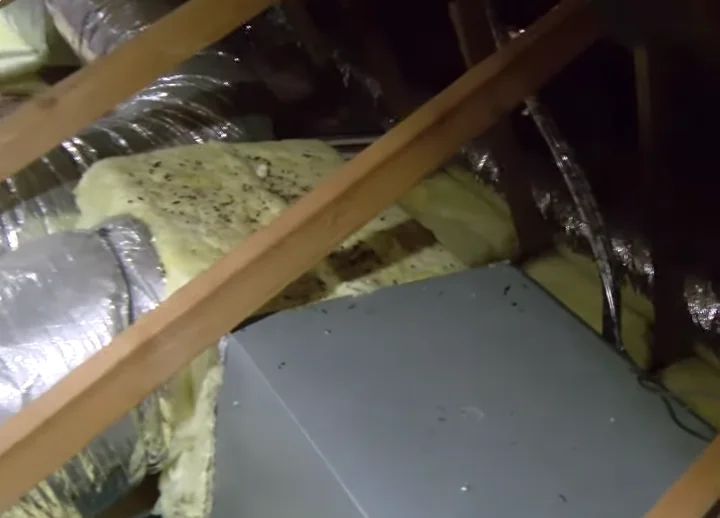
Mouse droppings on attic insulation and ductwork in a Huntsville, Texas home

Quick answers about mice

If I see one mouse, are there more?

Usually, yes. Mice are social, breed fast, and stay hidden most of the time, so the one you see is rarely the only one. A female house mouse can have a litter every few weeks when food and shelter are easy. Seeing a mouse in daylight often means there are quite a few more behind the walls.
How small a hole can a mouse fit through?

Very small. Pest professionals treat any gap about a quarter inch wide, roughly the width of a pencil, as a possible mouse entry. A mouse's skull is the widest part of its body, and if the head fits, the rest follows. That's why sealing has to be thorough to work.

Why do mice keep coming back every fall?

Because the gap they used last year is still open. When Huntsville nights cool down in October and November, mice outside follow warm air and food smells to the same weak spots: weep holes, garage door corners and pipe openings. Trapping clears the house; sealing is what breaks the yearly cycle.

Signs of mice in your house

Mice stay close to food and nest within a short distance of it, so the evidence tends to cluster around kitchens, pantries, laundry rooms and garages. Look for:

  • Tiny droppings. Dark, pointed pellets about the size of a grain of rice in drawers, under the sink, behind the stove and along pantry shelves.
  • Chewed food packaging. Small holes in cereal boxes, bread bags, pet food bags and bird seed, often with crumbs nearby.
  • Light scratching in walls. Soft scratching or skittering inside walls and ceilings at night, lighter than the thumping rats make.
  • Nests. Wads of shredded paper, fabric, insulation or dryer lint tucked into drawers, behind appliances, inside stored boxes or in the garage.
  • A musty smell. A stale, ammonia-like odor in closed cabinets or closets where mice have been for a while.
  • Small grease marks. Faint dark smudges along baseboards and around holes where mice run the same route over and over.
Close-up of small dark mouse droppings on a floor
Mouse droppings are small and pointed. Many in one spot usually means a nest is close by.

House mouse or deer mouse?

Most mice inside Huntsville homes are house mice. Deer mice and their close cousin, the white-footed mouse, turn up more in sheds, barns, cabins, RVs and garages on wooded or rural lots. The difference matters because of health risk and where they live.

House mouse and deer mouse at a glance
TraitHouse mouseDeer mouse
ColorEven gray-brown, lighter gray bellyBrown or tan on top, bright white belly and feet
TailMostly hairless, one colorHairy, dark on top and white underneath
Usually foundKitchens, walls, cabinets, appliancesSheds, barns, cabins, garages, woodpiles
Health noteContaminates food and surfacesMain hantavirus carrier in North America (CDC)

If you find a lot of mouse droppings in a shed, barn, deer camp or a cabin that's been closed up, treat the cleanup with extra care, and read the warning further down this page before you start.

How a mice exterminator gets rid of mice

Mice are a numbers game. You have to deal with the ones inside and stop new ones from getting in at the same time. A typical professional job in the Huntsville area looks like this:

  1. Map the activity

    Droppings, nests, chewed packaging and travel paths in the kitchen, pantry, laundry room, garage, attic and wall voids show where the mice are living and feeding.

  2. Find every small gap

    The outside of the house and the garage are checked for openings about a quarter inch or wider: weep holes, pipe and wire penetrations, door sweeps and garage door corners.

  3. Trap along the walls

    Mice run tight against walls, so enclosed traps go along baseboards and behind appliances, where children and pets can't reach them.

  4. Seal the openings

    Gaps are closed with copper or steel mesh, weep hole covers, door sweeps, garage door seals and sealant so the next mice can't follow.

  5. Check back and clean up

    Follow-up visits continue until catches stop. Then droppings are cleaned safely and cabinets and drawers are sanitized.

Small infestations caught early can wrap up within a couple of weeks. Larger ones, or homes with lots of hidden wall space, can take longer. The biggest factor is how well the house gets sealed.

Droppings in the kitchen?
Talk to a local mice exterminator about an inspection.

Call (936) 280-8706

How mice get into Huntsville homes

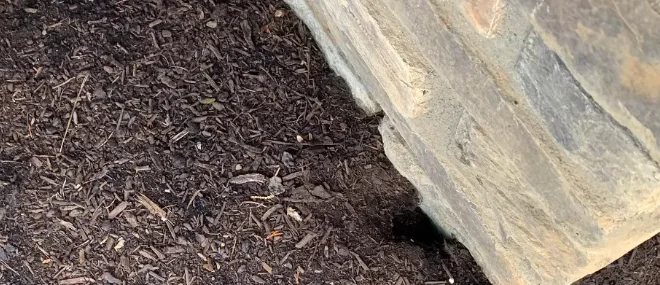
Brick homes are common around Huntsville, and brick veneer is built with weep holes, small vertical gaps near the bottom of the wall that let moisture drain out. They're important for the wall, but an open weep hole is also a ready-made mouse door. Other common entry points include:

  • Gaps where AC lines, plumbing, gas lines and cable enter the house
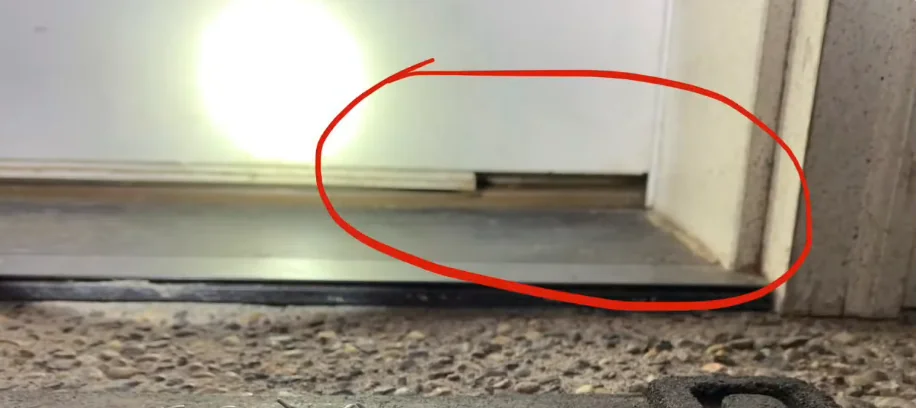
  • Worn garage door bottom seals and the corners where the door meets the frame
  • Missing door sweeps on exterior and garage entry doors
  • Dryer vents without a working flap
  • Gaps under siding, around window frames and at the sill plate
  • Crawl space vents and access doors on raised homes
Gap at the corner of a garage door where mice slip inside
A small gap at the garage door corner is one of the most common ways mice get into a house.

Sealing these gaps the right way means using materials mice won't chew through. Steel or copper mesh packed into gaps, then sealed over; breathable weep hole covers; new door sweeps and garage seals. The rodent exclusion page explains the materials in more detail and why expanding foam on its own isn't enough.

Mice in walls, attics, garages and cars

Mice in the walls

Wall voids give mice a safe highway between the attic, kitchen and crawl space. You'll usually hear them at night near cabinets, the stove or bathroom walls. Traps are set where the walls meet open space: under sinks, behind the fridge and in the garage.

Mice in the attic

Mice in the attic tend to nest in insulation near the eaves and around ductwork. Activity here can look a lot like rats, so droppings size matters. If there's heavy contamination in the insulation, see the attic rodent cleanup guide.

Mice in the garage

Garages are often where it starts. Bird seed, dog food, grass seed and cardboard boxes give mice food and nesting material, and worn door seals let them in. Storing food in hard bins and fixing the door seal solves a lot of Huntsville mouse problems before they reach the kitchen.

Mice in cars and trucks

Mice like the warm, sheltered space under the hood of vehicles that sit for a few days, especially in garages, barns and carports. They build nests in the air filter box and can chew wiring. Look for nesting material and droppings when you check the oil.

Droppings, health and cleanup

Mice contaminate whatever they walk on. Throw away any food they've gotten into, and wash dishes and utensils that were in drawers or cabinets with droppings.

Warning: don't sweep or vacuum mouse droppings

Sweeping or vacuuming can put tiny particles from droppings and urine into the air. The CDC recommends airing the space out first, wearing rubber or plastic gloves, spraying droppings with a disinfectant until they're soaked, waiting a few minutes, and then wiping up with paper towels. Hantavirus cases are rare in Texas, but deer mice can carry it, so sheds, cabins and barns deserve extra caution. Large cleanups are best left to a professional.

When it comes to treatment, many families prefer a trap-and-seal approach inside the house. It avoids loose poison where kids and pets live, and it lowers the chance of a mouse dying inside a wall. Tell the provider about children, cats, dogs and any pet rodents like hamsters before devices are placed.

Pro tip

Mice don't need much water, but they do need food. For a week before and during treatment, move pet food bowls up at night, store pantry staples in glass or hard plastic, and wipe crumbs off counters and floors. With less food around, mice find the traps faster.

DIY mouse control or a professional?

A single mouse in the garage in November is often a DIY job. Snap traps baited with a small amount of peanut butter, set against the wall, will usually catch it, and you can seal the gap with steel wool and caulk. Professional help makes sense when:

  • You keep catching mice week after week
  • Droppings show up in more than one room
  • You hear activity inside walls or the ceiling
  • You can't find where they're getting in
  • There's a nest in the attic insulation or a smell you can't trace

Not sure whether it's mice or rats? Size of the droppings and the type of noise usually settle it. If the signs point to rats instead, the rat removal page explains how that job is different. For a broader overview of Huntsville rodent control, start on the home page.

Mice exterminator FAQ

How much does a mice exterminator cost in Huntsville, TX?

You won't find prices on this site, since every house is different. A local provider inspects first and then quotes the job. Many offer a free inspection or estimate, so ask when you call and make sure you know what the quote covers.

Is there an affordable way to get rid of mice?

The lowest-cost path is usually catching the problem early and sealing the gaps once, instead of trapping every fall. Storing food and pet food in hard containers and fixing door seals also cuts down on repeat visits. Compare quotes by what they include, not only the total.

Do mice go away on their own in spring?

Mice that have a warm nest and steady food inside the house rarely leave on their own. Some outdoor activity drops off in warmer months, but mice inside keep breeding all year in Huntsville's mild climate.

Does peppermint oil or a cat keep mice away?

Peppermint oil doesn't reliably keep mice out, and the smell fades quickly. A cat may catch a mouse now and then but won't solve an established infestation in the walls. Sealing entry points and trapping work far better.

Can mice climb walls?

Yes. Mice are good climbers and can run up rough surfaces like brick, stucco, wood siding and the inside of wall cavities. That's how they reach attics and upper floors.

I rent near SHSU and have mice. What should I do?

Tell your landlord or property manager in writing first and keep a copy. Many leases make the owner responsible for pest control and repairs that let rodents in. Keep food sealed in the meantime. This is general information, not legal advice.

Mice exterminator in Huntsville

Clear the mice out and close the gaps

(936) 280-8706

Open Monday–Saturday, 8:00 AM – 6:00 PM · Huntsville, TX and nearby towns