Serving Huntsville, TX and nearby areasMon–Sat 8:00 AM – 6:00 PM · (936) 280-8706

Pier-and-beam · Raised homes

Crawl Space Rodent Control in Huntsville, TX

Scratching under the floor, a musty smell through the floor vents, or a burrow next to the foundation. Rats and mice love the dark, quiet space under raised homes. A local pro can clear them out, screen the vents and close the gaps.

  • Under-house inspection
  • Vents screened
  • Debris cleanup
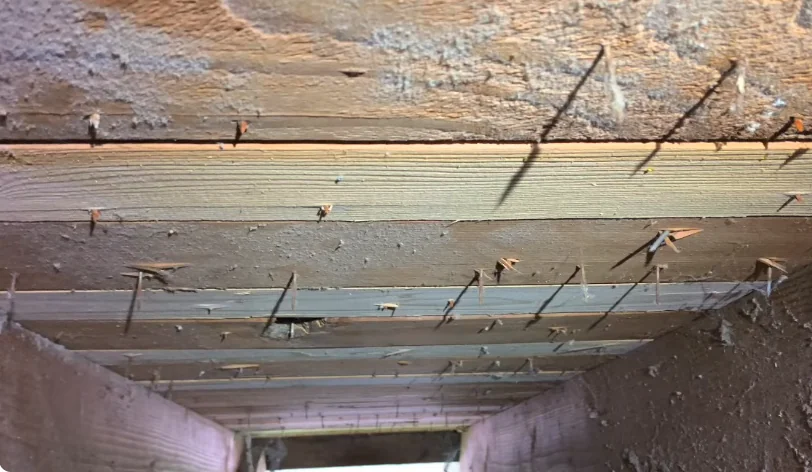
Pipes and wiring under a house subfloor where rodents travel into the walls

Quick answers about rodents in the crawl space

Why do rats live under raised houses?

A crawl space is dark, sheltered, close to water lines and warm in winter, and nobody goes down there. Norway rats in particular like it because they can burrow into the soil. From there, pipe and wire holes through the subfloor lead right into walls, kitchens and bathrooms.
How do I know rodents are under my floor?

You may hear scratching or gnawing under the floor at night, notice a musty or sour smell through floor registers, or see droppings near the crawl space door. Outside, look for damaged foundation vents, a loose access door and fresh burrows along the base of the house.

Should I close my foundation vents?

Don't block them with solid material unless a contractor has planned for it, because vents let moisture out of the crawl space. Instead, have them covered with hardware cloth or rodent-proof vent screens. That keeps the airflow and keeps rodents out.

Raised homes in Huntsville and Walker County

Plenty of homes around Huntsville sit on pier-and-beam or block foundations, especially older houses near downtown and the university, farmhouses on rural acreage, and many manufactured homes with skirting. Raised floors handle East Texas clay soil and heavy rain well, but they also create a protected space under the house that rodents put to good use.

Manufactured and mobile homes have their own version of the problem: gaps in the skirting, torn belly wrap under the floor, and openings around plumbing. Rats and mice can nest in the insulation of the underbelly and get into cabinets through pipe holes.

Signs of rodents in the crawl space

  • Scratching, gnawing or running under the floor, usually at night
  • A musty, sour or ammonia-like smell coming through floor vents and registers
  • Droppings on the ground near the access door or on top of ducts under the house
  • Torn or flattened vapor barrier, and fallen or shredded floor insulation
  • Burrows in the soil under the house or along the outside of the foundation
  • Damaged foundation vent screens, a loose access door or gaps in skirting
  • Chewed ductwork, or a sudden drop in how well the AC cools a room
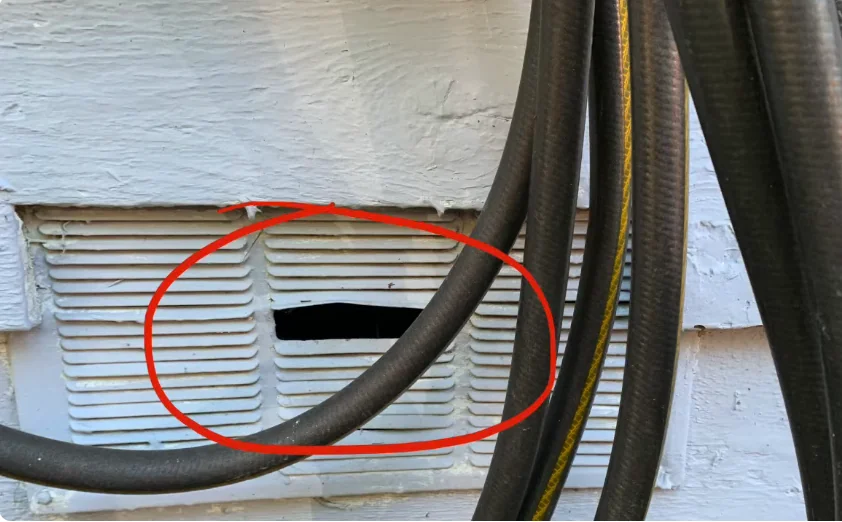
Damaged foundation vent with an opening big enough for rats to get under the house
A broken foundation vent is an open door to the crawl space. Rats test these regularly.

Rats, mice or something else under the house?

Norway rats are the most common crawl space rodent. They're heavy, dig burrows and leave larger, blunt-ended droppings. House mice also use crawl spaces as a route into walls. Roof rats occasionally come down from the attic through wall voids. Larger animals like opossums, armadillos and skunks also get under houses in East Texas, but they aren't rodents and usually need a wildlife service.

The removal plan depends on which one it is. For rats, see the rat removal guide; if the signs point to mice moving up into the kitchen, see the mice exterminator page.

Noise under the floor?
Talk to a local pro about a crawl space inspection.

Call (936) 280-8706

How crawl space rodent control works

  1. Inspect under the house

    The provider goes into the crawl space to check for burrows, runways, droppings, nests, torn vapor barrier, chewed ducts and pipes, and gaps.

  2. Inspect the perimeter

    The outside of the foundation is walked to find damaged vents, loose access doors, pipe gaps and burrows along the footing.

  3. Trap and remove

    Enclosed traps go along runways and near entry points under the house, with follow-up visits to check and clear them.

  4. Screen and seal

    Foundation vents get hardware cloth, the access door is repaired, and pipe and wire gaps through the subfloor and skirting are sealed.

  5. Clean up and restore

    Dead rodents, droppings and nesting debris come out, the area is sanitized, and damaged vapor barrier and insulation are repaired.

Getting ready for the inspection

A little prep makes the visit faster. Clear a path to the crawl space access door, move stored items away from the foundation, and keep pets inside. If you've seen droppings, a burrow or a damaged vent, take a photo and note where it was. Let the provider know about any recent plumbing leaks, odors or poison you've put out, since all of it changes where they look first and how they approach the job.

Sealing a crawl space the right way

The perimeter of a raised house is the main line of defense. The most common fixes are:

Crawl space entry points and fixes
Entry pointTypical fix
Foundation ventsGalvanized hardware cloth or rodent-proof vent covers, fastened securely
Access doorSolid, tight-fitting door with no gaps at the edges, latched
Pipe and wire holes in the subfloorSteel or copper mesh packed in, then sealed
Gaps in block or brickMortar or metal patch over mesh
Skirting on manufactured homesRepair panels, secure loose sections, mesh the bottom edge where needed
Burrows along the footingRemove rats, fill burrows, add a buried mesh barrier where digging continues
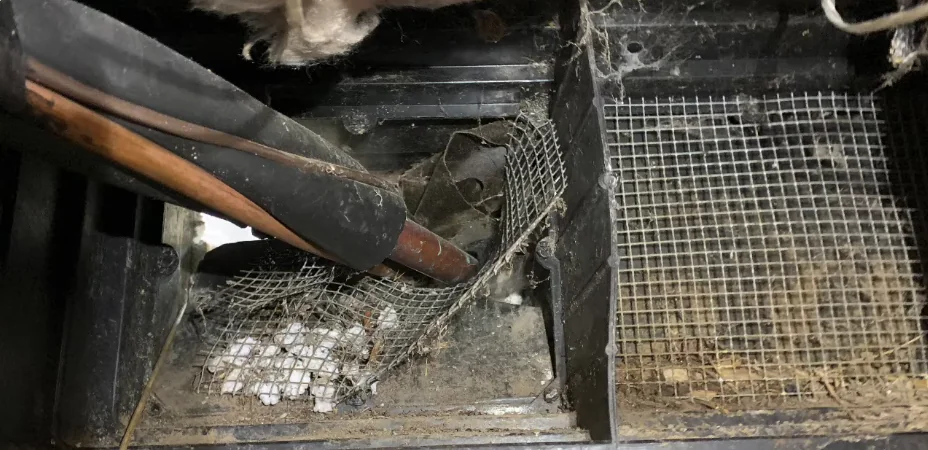
BeforeCrawl space vent with torn screening used by rodents
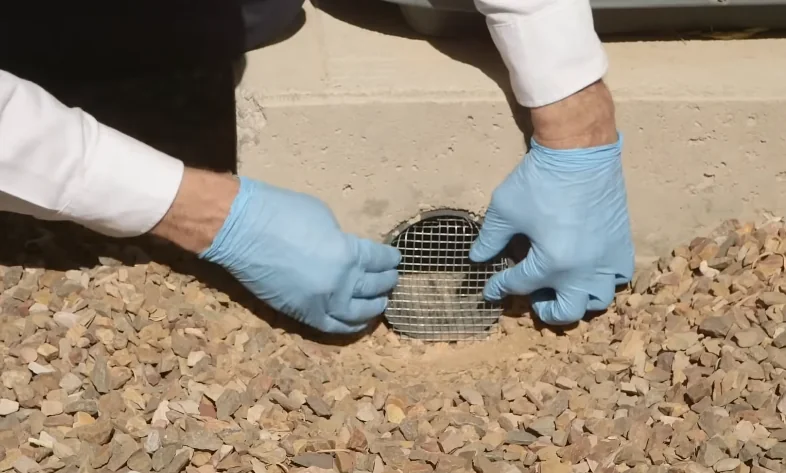
AfterFoundation vent covered with a metal rodent screen

The materials are the same chew-resistant options used elsewhere on the house, covered in more detail on the rodent exclusion page.

Crawl space cleanup and moisture

Rodents leave droppings, urine and nesting material across the soil and on the vapor barrier, and in an enclosed crawl space that can mean a lingering smell in the house above. Cleanup usually involves removing debris and any dead rodents, sanitizing the worst areas, and replacing torn or soiled vapor barrier and fallen insulation.

Moisture matters too. A damp crawl space draws rodents looking for water and helps odors linger. Fixing leaking pipes, making sure vents aren't blocked and keeping the vapor barrier intact all help. If you're noticing a strong decay smell rather than a musty one, read the dead rat smell guide.

Warning: crawl spaces are tight and dirty work

Crawl spaces can have low clearance, sharp debris, exposed wiring, standing water, spiders and snakes, as well as rodent droppings. Don't go under the house alone, and leave cleanup of droppings and nests to someone with protective gear.

Keeping the crawl space rodent-free

  • Walk the foundation every few months and check that vent screens and the access door are intact
  • Keep wood piles, lumber and stored items away from the foundation
  • Trim shrubs and vines so the base of the house is visible and dry
  • Fix dripping outdoor faucets and AC condensate lines near the house
  • Don't store pet food or feed under the house or on the porch
Pro tip

Rake the soil smooth in front of each foundation vent and around the access door. If you see fresh tracks, digging or dirt pushed out over the next few days, you know which opening rodents are using.

Under-the-house problems are part of the wider picture of rat and mouse control in Huntsville, so it's worth having the attic and roofline checked at the same visit.

Crawl space rodent FAQ

How much does crawl space rodent control cost?

Prices aren't listed on this site. The provider inspects the crawl space and the foundation and gives you a quote. Ask what's included, such as vent screening, door repair, cleanup and vapor barrier work.

Can rats get into the house from the crawl space?

Yes. Holes where plumbing, drains and wires pass through the subfloor lead into wall cavities and cabinets. That's often how rats end up under the kitchen sink or behind the dishwasher.

Do rodents in the crawl space affect air quality?

They can. Air from the crawl space can move up into the house, and chewed ductwork under the floor can pull in dust and odor. Sealing ducts and cleaning up debris helps.

Should I encapsulate my crawl space to stop rodents?

Encapsulation is mainly a moisture project. It can help, but rodents can still chew through liners if the perimeter isn't sealed. Rodent-proofing the vents, door and gaps comes first.

I have a manufactured home. Is the process different?

The idea is the same, but the provider focuses on skirting, the belly wrap under the floor and openings around plumbing. Torn belly wrap is a common nesting spot for mice and rats.

What about armadillos or opossums under the house?

Those aren't rodents, so they're usually handled by a wildlife removal service. If you're not sure what's under the house, the provider can tell from the burrows, tracks and droppings during the inspection.

Crawl space rodent control in Huntsville

Clear out what's living under the floor

(936) 280-8706

Open Monday–Saturday, 8:00 AM – 6:00 PM · Huntsville, TX and nearby towns