Serving Huntsville, TX and nearby areasMon–Sat 8:00 AM – 6:00 PM · (936) 280-8706

Attic removal · Cleanup · Insulation

Rats in the Attic in Huntsville, TX

Running and scratching over the bedroom ceiling at 2 AM is a classic sign of rats in the attic. A local pro can remove the rats, seal the roofline, and clean up the droppings and soiled insulation they leave behind.

  • Rats, mice, squirrels
  • Sanitizing
  • New insulation
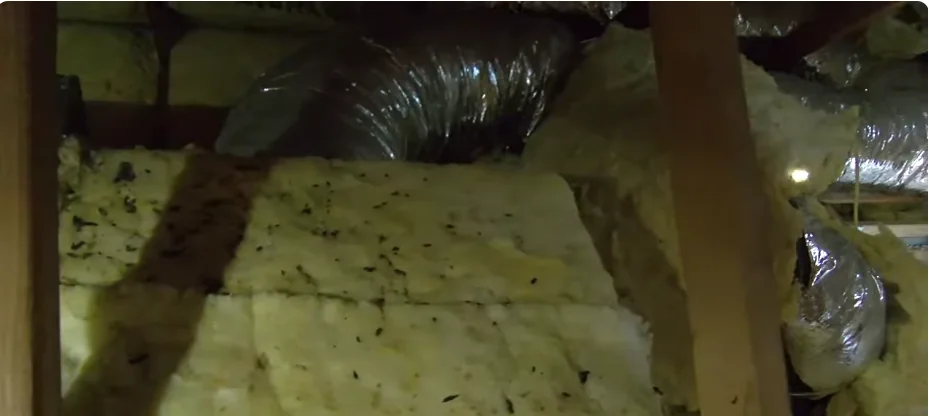
Rodent droppings spread over fiberglass insulation between attic joists

Quick answers about rats in the attic

What does a rat in the attic sound like?

Quick scurrying, light thumps and scratching that start a little after dark and pick up again before dawn. You may hear something being dragged or rolled, and gnawing near the eaves. If the noise is mostly in the early morning and late afternoon, a squirrel is more likely than a rat.
Do rats leave the attic during the day?

Usually not. Rats rest in the attic during daylight and go out after dark to find food and water, then come back to the same nest. That nightly round trip is why sealing works: once the gaps at the roofline are closed and the rats inside are trapped, the attic stays quiet.

Do I need new insulation after rats?

Not always. Light activity near one corner can often be spot-cleaned. If droppings and urine are spread across the insulation, there are tunnels and nests, or the attic smells, removing and replacing that insulation is usually the cleaner, longer-lasting fix. A provider can show you photos and explain the options.

Signs of rats in the attic

You don't have to crawl into the attic to start figuring it out. Most of these signs can be checked from the hatch with a flashlight, or from the yard.

  • Night noise overhead, especially over bedrooms, the kitchen and along exterior walls.
  • Droppings on insulation, ducts and the attic floor, often heaviest near the eaves and around the hatch.
  • Runways and tunnels pressed into blown-in or batt insulation where rats travel the same route every night.
  • Nests of shredded insulation, paper and plastic tucked against the roof deck or behind ducts.
  • Chewed wires and flex duct, or torn foil wrap on HVAC ductwork.
  • Stains and rub marks around the gaps they use at the roofline, visible from outside as dark smudges.
  • A stale, musty smell drifting down through ceiling vents or light fixtures.

Rats, mice or squirrels? Use the timing

All three use attics around Huntsville, and the plan is different for each. Noise timing is the fastest clue.

Telling attic animals apart
ClueRoof ratsMiceSquirrels
When it's loudestAfter dark and before dawnNight, lighter soundsSunrise and late afternoon
SoundScurrying, gnawing, draggingSoft scratching, skitteringHeavy thumps, rolling, running
DroppingsAbout half an inch, capsule-shapedRice-sized, pointedLarger, rounder, often in one area
EntryRoofline gaps, vents, plumbing stacksSmall gaps anywhere, often from wallsChewed holes in soffits, gable vents
Best removalTrapping plus sealingTrapping plus sealingOne-way door plus sealing

If the timing points to squirrels, the squirrel removal page covers one-way doors and nesting season. For roof rats that are also showing up in the garage or kitchen, the rat removal page walks through the whole-house plan.

What rats do to an attic

Rats in an attic are more than a noise problem. Over weeks and months they can cause damage that costs more to fix than the removal itself.

  • Wiring. Rats gnaw on wire insulation, which can expose conductors. Chewed wiring is a fire risk and should be checked by an electrician.
  • Ductwork. Torn flex duct leaks cooled air into the attic and can pull attic dust and odor into the house.
  • Insulation. Tunnels, nests and compressed, soiled areas lower how well the insulation works, which matters in a Texas summer.
  • Odor. Urine and droppings soak into insulation and wood. A rat that dies in the attic adds a much stronger smell.
  • Roofline wood. Rats and squirrels chew fascia and soffit boards to widen their entry holes.

Noise over the ceiling?
Talk to a local attic rodent pro about an inspection.

Call (936) 280-8706

How attic rat removal works

  1. Inspect the attic and roofline

    Insulation, ducts, wiring, the attic floor and the roofline are checked for droppings, runways, nests, chewing and entry points.

  2. Remove the rodents

    Traps go along attic runways, or one-way devices for squirrels, with follow-up visits until activity stops.

  3. Seal the entry points

    Roofline gaps, soffits, vents and plumbing stacks are closed with metal flashing, hardware cloth and vent guards.

  4. Clean and sanitize

    In protective gear, crews remove droppings and nests with HEPA vacuums, bag soiled insulation and disinfect the attic floor.

  5. Restore the attic

    Chewed ducts and wiring are repaired as needed and new insulation is blown in or laid to the right depth.

Removal and sealing come first. Cleaning an attic while rodents are still getting in just means doing it twice. Details on sealing materials are on the rodent exclusion page.

Attic cleanup after rats

How much cleanup an attic needs depends on how long the rodents were there and how far the mess spread. Here's how the options usually break down.

Typical levels of attic cleanup
LevelWhen it fitsWhat's involved
Spot cleanupShort-term activity in one or two areasRemove droppings and nests, sanitize the area, add insulation where it was disturbed
Partial removalHeavier contamination in sectionsRemove soiled insulation in those sections, sanitize, replace insulation
Full attic restorationWidespread droppings, urine, tunnels or odorRemove all insulation with HEPA equipment, sanitize the whole attic, repair, blow in new insulation
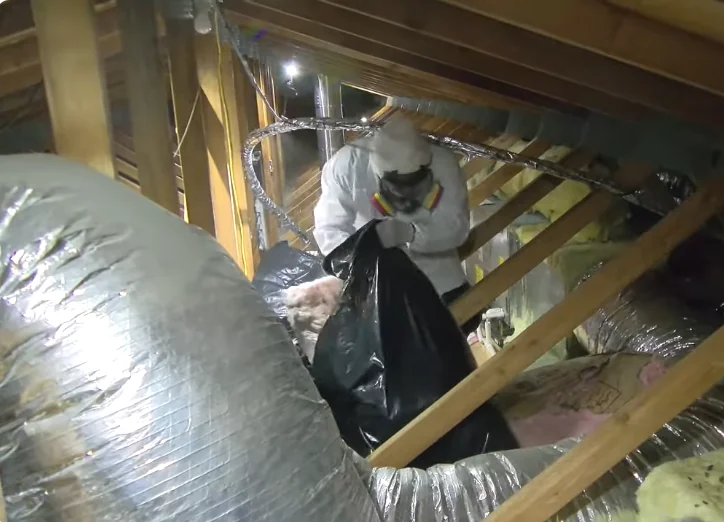
Worker in a protective suit bagging contaminated attic insulation
Bagging soiled insulationContaminated insulation is bagged in the attic so dust doesn't spread through the house.
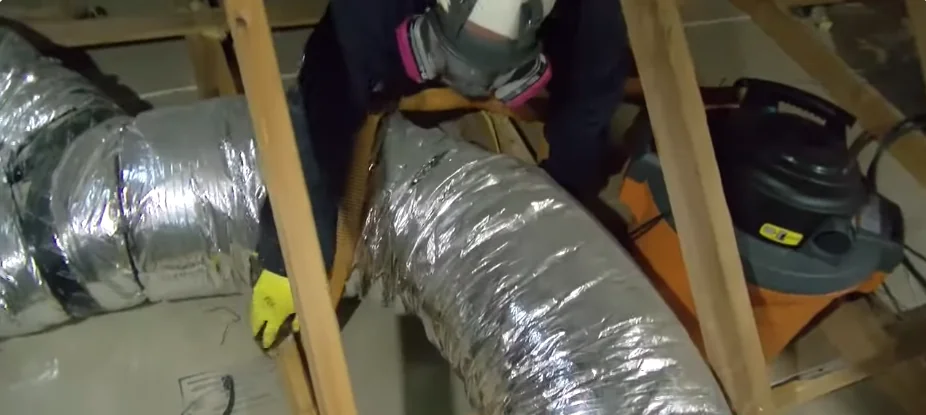
Large vacuum hose removing rodent debris and insulation from an attic
Vacuum removalHigh-powered vacuums pull old insulation and debris out through a hose.
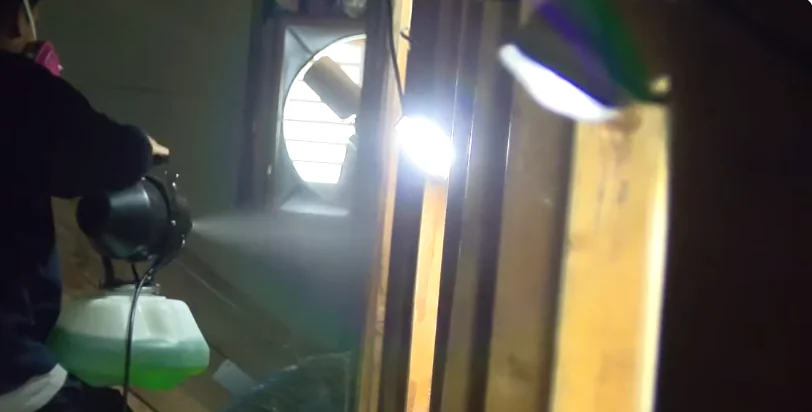
Technician spraying disinfectant across an attic after rodent removal
SanitizingThe attic floor and framing are treated after the debris is out.
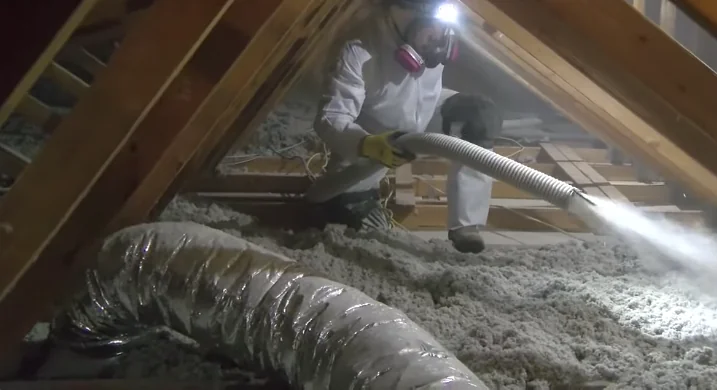
New blown-in insulation being installed in a cleaned attic
New insulationFresh blown-in insulation restores the attic's protection from Texas heat.
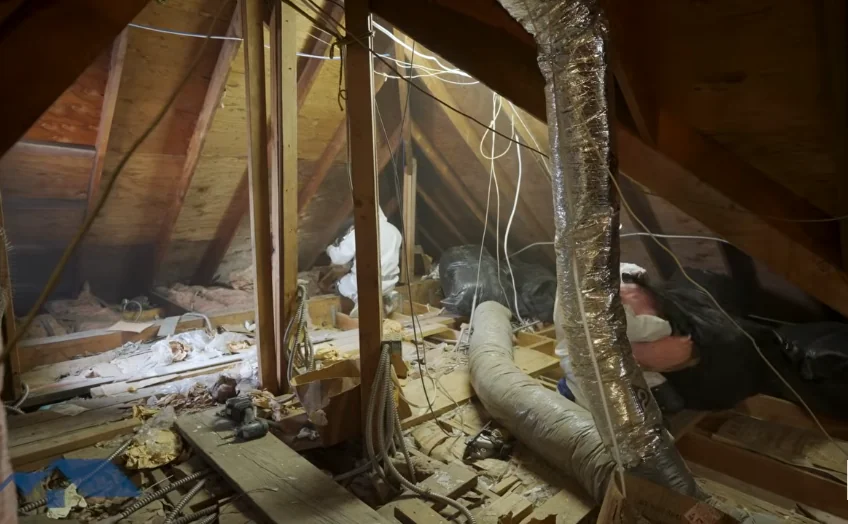
BeforeAttic with damaged insulation and debris before rodent restoration
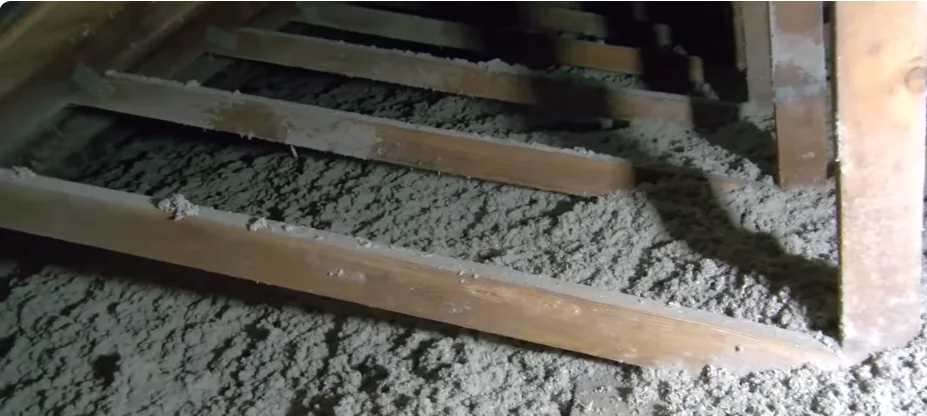
AfterAttic after restoration with an even layer of new blown insulation

Safety: why attic cleanup isn't a weekend job

Warning: droppings dust and attic heat

Disturbing droppings and soiled insulation puts dust in the air. The CDC advises against sweeping or vacuuming rodent droppings with a regular vacuum, and recommends wetting them with disinfectant first. Texas attics also get extremely hot in summer, and walking on joists is a fall risk. Professional crews use respirators, protective suits, HEPA equipment and plan the work for cooler hours.

If you only need to check something quickly, stay at the hatch, wear gloves and a well-fitting mask, and don't touch droppings or nests. Take photos for the provider instead.

Pro tip

Before the inspection, note which rooms you hear noise over and at what time. Draw a quick sketch of the house. That simple map helps the provider go straight to the active area and the most likely entry point.

If the attic smells, not just sounds

A sudden, strong, sweet-rotten smell coming from the ceiling usually means a rodent has died in the attic or a wall, often after poison was put out. The smell can last for weeks if the body isn't found. Our dead rat smell page explains how providers locate and remove it. For an overview of every service, start with Huntsville rodent removal on the home page.

Does homeowners insurance cover rodent damage?

Many standard homeowners policies exclude damage caused by rodents and other pests, treating it as a maintenance issue. Some policies do cover sudden damage that results from it, like a fire from chewed wiring. Every policy is different, so call your agent and ask before you file a claim. Keep photos and the provider's written findings either way.

Rats in attic FAQ

How much does attic rodent cleanup cost in Huntsville?

There are no prices on this site, because attics vary so much in size and condition. The provider inspects first and gives you a written quote. Ask what's included: removal, sealing, cleanup level and insulation.

Is there a lower-cost option than full insulation replacement?

Often, yes. If the activity was short-term and limited to one area, spot cleanup and sanitizing may be enough. Ask the provider to show you photos of the contaminated areas so you can understand which level of cleanup is really needed.

How long does attic cleanup take?

Spot cleanup can be done in a few hours. Full insulation removal and replacement for an average attic often takes one to two days, depending on the size, access and how much repair is needed.

Can I stay home during attic cleanup?

Usually yes. Crews seal off the attic hatch, bag material in the attic and run hoses outside. Ask if you should keep pets away from the work area and close ceiling vents in the meantime.

Will rats come back after the attic is cleaned?

Not if the entry points were sealed properly. Most repeat attic problems come from a missed gap or a new opening, such as storm damage at the roofline. Keep tree limbs trimmed and check vent screens after big storms.

Are rats in the attic dangerous?

They can be. Chewed wiring is a fire risk, droppings and urine can carry germs, and soiled insulation can affect air quality if ducts are damaged. Getting an inspection early limits all three.

Attic rodent help in Huntsville

Quiet the attic and clean it up right

(936) 280-8706

Open Monday–Saturday, 8:00 AM – 6:00 PM · Huntsville, TX and nearby towns