
Serving Huntsville, TX and nearby areasMon–Sat 8:00 AM – 6:00 PM · (936) 280-8706

Dead rodent removal · Odor control

Dead Rat Smell in Huntsville, TX

That sweet, rotten smell that's strongest in one room and won't go away no matter how much you clean. It's very often a dead rat or mouse inside a wall, the attic or under the floor. A local pro can track it down, remove it, and treat the odor.

  • Locate the source
  • Odor treatment
  • Fix the entry
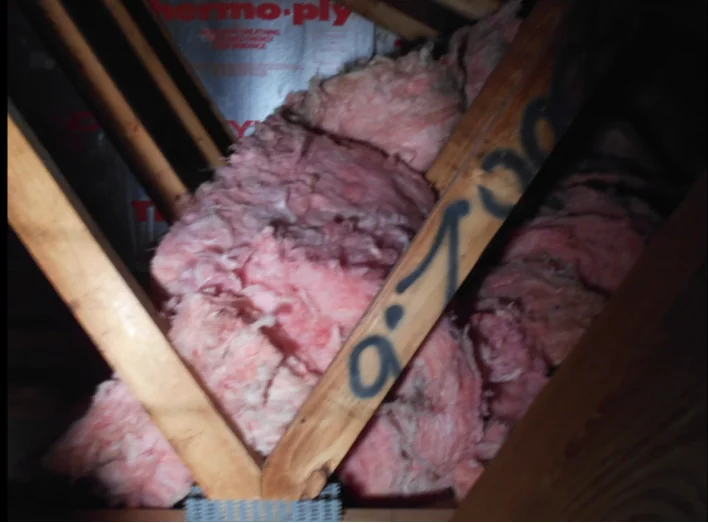
Rodent-damaged pink insulation pulled apart between attic rafters

Quick answers about dead rat smell

How long does a dead rat smell last?

It depends on the size of the animal, where it is and the temperature. A dead mouse in a cool spot may fade within a week or so. A rat in a hot Texas attic or a closed wall can smell strongly for two to three weeks or longer. Removing it is the only quick fix.
What does a dead rat smell like?

Most people describe it as sweet and rotten, a heavy, sickly smell that gets stronger on hot afternoons and hangs in one area of the house. It's different from the musty, ammonia-like smell of living rodents, which comes from urine and droppings rather than decay.

Why does it smell after I used poison?

Rodents that eat poison don't always leave the house to die. Many crawl back into a wall void, attic corner or under the floor, which is exactly where the smell ends up. That's one reason many families and providers prefer trapping and sealing inside the home.

How to find where the smell is coming from

Finding a dead rodent is mostly detective work. Before you call, a few minutes of looking can help a lot.

  • Follow your nose, room by room. Note where the smell is strongest and whether it's worse near the floor or the ceiling.
  • Look for flies. Small groups of flies gathering at a wall, a light fixture, a ceiling vent or a window are a strong clue.
  • Check for stains. A damp or yellowish stain on drywall or a ceiling can show up over the spot.
  • Think about timing. Did the noise in the walls stop a few days ago? Did you put out poison or traps recently? Both help narrow it down.
  • Check the easy spots. Under and behind the fridge, stove and dishwasher, inside cabinet bases, the garage and around the water heater.
Pro tip

Turn off the HVAC system for an hour, close interior doors, and then check each room. With the air not moving, the smell tends to stay closer to the source, which makes it easier to narrow down.

Where dead rodents end up in Huntsville homes

Common locations and how they're reached
LocationCluesUsual access
AtticSmell from ceiling vents or light fixtures, worse in the afternoonThrough the attic hatch, searching insulation near activity
Wall voidSmell strongest at one wall, flies at outlets or baseboardsSmall, patchable hole in drywall, or from attic or crawl space above or below
Crawl spaceSmell near floor vents, worse at floor levelCrawl space access door
HVAC ductsSmell spreads when the system runsRemoving registers or opening duct sections
AppliancesSmell in the kitchen or laundry, near the basePulling the appliance and removing the kick plate
GarageSmell near storage, walls or the water heaterMoving stored items, checking wall bases

Pier-and-beam homes, which are common in older parts of Huntsville, add the crawl space to the list. If you think the source is under the house, our crawl space rodent control page explains what the provider checks down there.

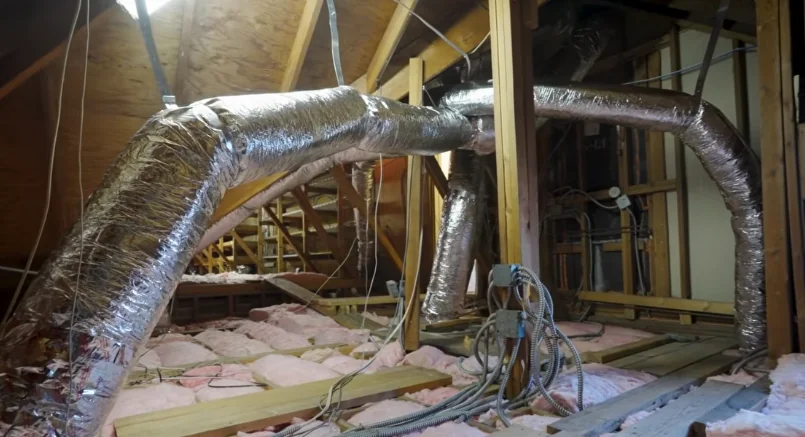
Attic ductwork and insulation being inspected for rodent activity
Attics with lots of ductwork give rodents plenty of hidden corners. Searching near recent activity saves time.

Can't find the smell?
Talk to a local pro about dead rodent removal.

Call (936) 280-8706

How dead rodent removal works

  1. Narrow down the area

    The provider walks the house to find where the smell is strongest and looks for flies, stains and signs of recent activity or poison use.

  2. Check the likely spaces

    The attic, crawl space, walls, ducts, appliance bases and garage near the strongest odor get searched.

  3. Access and remove

    The carcass is reached through the attic, crawl space or a small drywall hole that can be patched, and it's bagged and removed.

  4. Clean and treat the odor

    Soiled insulation or debris comes out, the area is sanitized, and an odor treatment made for organic odors is applied.

  5. Fix the cause

    The way the rodent got in is found and sealed, and any remaining rodents are dealt with.

Cutting into a wall is a last resort. Experienced providers try every approach from the attic, crawl space and fixtures first. When a small access hole is needed, it's placed where it's easy to patch.

Getting rid of the odor

Removing the dead animal stops the source, but the smell can linger in insulation, drywall and wood that absorbed fluids. Odor control usually means:

  • Removing and bagging soiled insulation, nesting material and debris around the spot
  • Cleaning and sanitizing the surface where the animal was
  • Applying an enzyme-based or other odor treatment made for organic odors
  • Airing out the space, and changing the HVAC filter if the smell got into the ducts

Air fresheners and candles only cover the smell for a short time. If the smell is coming from a large area of soiled attic insulation rather than a single carcass, the attic rodent cleanup page explains when insulation replacement makes sense.

Safety around a dead rodent

Warning: don't handle it bare-handed

Dead rodents and the area around them can carry germs, and fleas and mites may leave the body and look for a new host. If you find one in an easy-to-reach spot, wear disposable gloves, spray the animal and the area with a disinfectant, pick it up with a plastic bag turned inside out, seal it in a second bag, and wash your hands well afterward. Keep pets away from it.

Don't crawl deep into an attic or crawl space to search on your own, especially in summer heat. Bringing in someone with the right gear is safer.

Preventing the next one

A dead rodent in the wall means a live one got in, and there may be more. The real fix is making sure no more rodents can get into the walls and attic.

  • Have the house inspected for entry points and sealed with metal and mesh
  • Remove any rodents still inside with traps rather than loose poison
  • Store pet food, bird seed and pantry goods in hard containers
  • Keep an eye out for new droppings, noise or chewing over the following weeks

If you're also hearing rats in the walls or attic, the rat removal page explains the full trap-and-seal process. If a strong smell or a loose rodent can't wait, see emergency rodent removal. You can also find local rodent control near you for every other service.

Dead rat smell FAQ

How much does dead rat removal cost?

Prices aren't listed on this site. The provider looks at how hard the source is to find and reach, then gives you a quote. Ask whether odor treatment, any drywall patching and sealing the entry point are part of it.

Can I just wait for the smell to go away?

You can, and a small mouse may fade within a week or two. A rat, or more than one animal, can take much longer, and flies may appear. Waiting also leaves the entry point open for more rodents.

Is a dead rat smell harmful to breathe?

The smell itself is mostly unpleasant rather than dangerous for healthy people, but it can cause headaches or nausea for some. The bigger concern is touching the animal or contaminated material, so leave handling to someone with gloves and protective gear.

Why does the smell get worse in the afternoon?

Heat speeds up decay and makes odors spread. In Huntsville, attics and outer walls heat up a lot during the day, so the smell often peaks in the late afternoon and early evening.

Do you have to cut a hole in my wall?

Not always. Many dead rodents can be reached from the attic, crawl space, a register or behind an appliance. When a hole is needed, providers keep it small and in a spot that's easy to patch.

What if the smell is a dead squirrel or larger animal?

The process is similar for squirrels in attics. For larger animals that aren't rodents, such as raccoons or opossums, you may need a wildlife removal service; ask when you call.

Dead rodent removal in Huntsville

Find it, remove it, and clear the air

(936) 280-8706

Open Monday–Saturday, 8:00 AM – 6:00 PM · Huntsville, TX and nearby towns