Serving Huntsville, TX and nearby areasMon–Sat 8:00 AM – 6:00 PM · (936) 280-8706

Roof rats · Norway rats

Rat Removal in Huntsville, TX

Rats running in the attic, chewing in the walls or digging under the shed? A local rat removal pro can find where they're living, remove them, and close the gaps they use, so the next group doesn't move right back in.

  • Inspection first
  • Entry points sealed
  • Mon–Sat 8–6
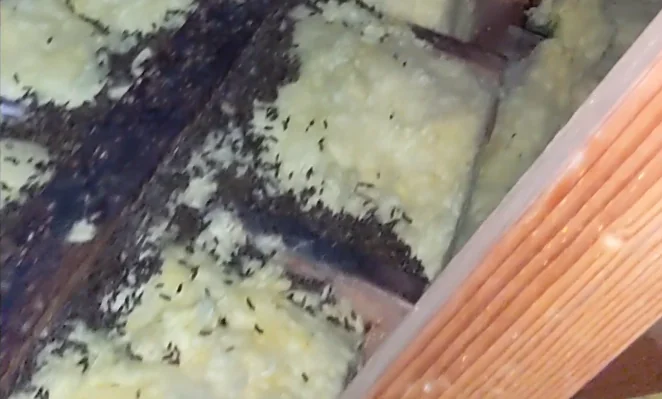
Roof rat droppings scattered across attic insulation in a Huntsville, Texas home

Quick answers about rat removal

How do I know it's rats and not mice?

Rat droppings are about the size of a raisin, roughly half an inch to three-quarters of an inch long, while mouse droppings are closer to a grain of rice. Rats are also louder: heavier thumps and running at night instead of light scratching. Gnaw holes from rats are bigger and rougher around the edges.
How long does rat removal take?

Most rat jobs take a few weeks, not a single visit. The first visit covers the inspection, sealing and traps. Follow-up visits check traps and confirm activity has stopped. Rats are cautious around new objects, so the first few days of trapping can be slow before catches pick up.

Will the rats leave on their own?

Not usually. If rats have found food, water and a warm nest in your attic or walls, they have every reason to stay and breed. Roof rats can have several litters a year. Waiting often turns a few rats into a colony and adds to the cleanup needed later.

Signs you have rats in your Huntsville home

Rats are good at staying out of sight, so most people find the evidence before they see the animal. If you're seeing two or more of the signs below, there's a good chance rats have moved in, not just passed through.

  • Noise after dark. Scurrying, thumping or gnawing in the ceiling or upper walls, usually a few hours after sunset and again before dawn.
  • Droppings. Dark, capsule-shaped pellets along walls, on top of ductwork, in the attic, behind appliances or in the garage.
  • Rub marks. Dark, greasy smudges along baseboards, beams and around pipe holes where rats squeeze through again and again.
  • Gnawing. Chewed wood at soffits and fascia, chewed plastic bins, chewed wiring insulation, or holes at the base of walls.
  • Nests. Shredded insulation, paper, fabric or leaves pulled into a pile in the attic, a wall void, a garage cabinet or under the house.
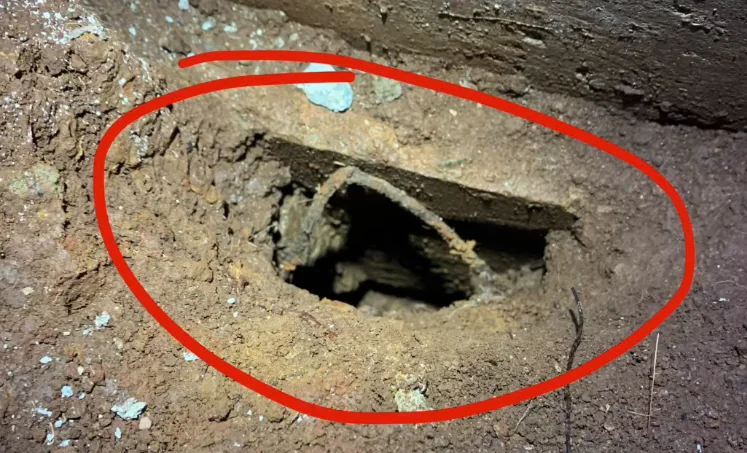
  • Burrows outside. Holes about two to four inches wide along the foundation, under sheds, slabs and wood piles, often with smooth, packed dirt around the opening.
  • Pets acting strange. Dogs and cats staring at a wall or ceiling, pawing at the dishwasher kick plate or sniffing one spot in the garage.
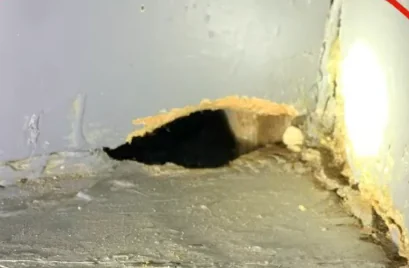
Rough gnaw hole chewed through the base of an interior wall by rats
Rats chew rough, ragged holes at the base of walls and around pipes to reach food and nesting spots.

Roof rats vs Norway rats in Huntsville

Two rat species cause almost every rat call in East Texas, and they live very differently. Knowing which one you have changes where a provider looks and where they set traps.

Roof rat and Norway rat at a glance
TraitRoof rat (black rat)Norway rat (brown rat)
BuildSlim, lighter body, pointed nose, large earsHeavy, stocky body, blunt nose, small ears
TailLonger than the head and bodyShorter than the head and body
LivesHigh up: attics, upper walls, trees, vinesLow down: burrows, crawl spaces, under slabs
Gets inRoofline gaps, soffits, vents, tree limbs over the roofFoundation gaps, crawl space vents, garage doors, drains
DroppingsSmaller, pointed endsLarger, blunt ends
Favorite foodFruit, pecans, seeds, bird seed, pet foodAlmost anything: garbage, grain, pet food, meat

Around Huntsville, roof rats are the more common attic problem because so many homes sit under pines, oaks and pecan trees. Norway rats show up more around barns, feed rooms, chicken coops, drainage ditches and older homes with crawl spaces. Some properties have both.

Hearing rats tonight?
Talk to a local rat removal pro about an inspection.

Call (936) 280-8706

How rat removal works

Good rat removal is a process, not a box of poison. Here's what a typical job looks like with a professional rodent control provider in the Huntsville area.

  1. Inspect inside and out

    The attic, garage, kitchen, crawl space and the whole exterior get checked for droppings, rub marks, gnawing, nests and entry points. This is also when the provider confirms roof rat or Norway rat.

  2. Set a trapping plan

    Enclosed traps go along the travel paths the rats are actually using, in places kids and pets can't reach. The number of traps matches the amount of activity found.

  3. Seal the entry points

    Gaps at the roofline, vents, soffits, weep holes, pipes and foundation are closed with steel mesh, hardware cloth, metal flashing and sealant.

  4. Follow up and remove

    Return visits check and clear traps, remove captured rats and look for any new signs until the house goes quiet.

  5. Clean up and prevent

    Droppings and nesting material are removed, affected areas are sanitized, and you get a short list of outdoor fixes to keep rats from coming back.

The order matters. Some providers seal most entry points on day one and leave one or two monitored openings until trapping is done, so rats aren't trapped inside walls where they could die and cause odor. Ask how your provider handles that timing.

Where rats get into East Texas homes

A rat needs a gap only about half an inch wide to get in, and a roof rat can climb brick, siding, downspouts and utility lines to reach it. On a typical Huntsville house the usual suspects are:

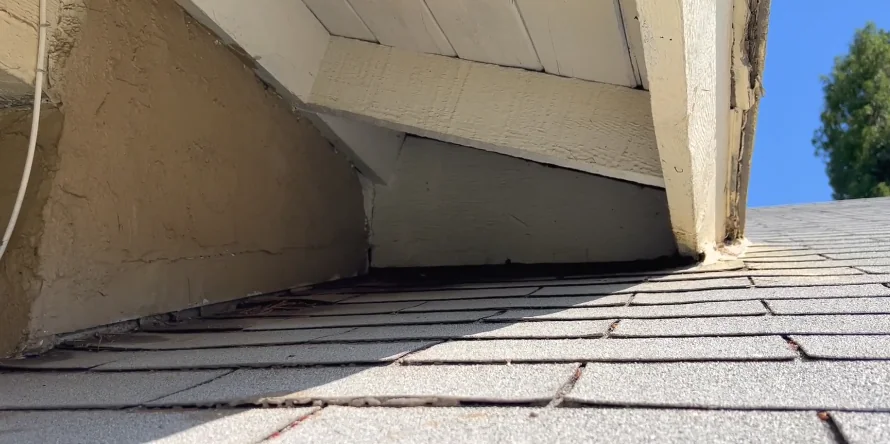
  • The joint where a lower roof meets a second-story wall, often hidden behind a dormer or gable
  • Soffit corners and the gap where the fascia board meets the roof decking
  • Gable vents, ridge vents and roof vent caps with torn or missing screens
  • Plumbing vent stacks and the gap around them at the roof
  • AC line sets, gas lines, cable and electrical penetrations through brick or siding
  • Crawl space vents and access doors on pier-and-beam homes
  • Garage door corners and worn bottom seals
  • Tree limbs and vines touching the roof, which act as a bridge for roof rats
Gap under a roofline where the fascia meets the roof, used by roof rats to enter an attic
A roofline gap like this is wide enough for a roof rat. Sealing it with metal is what stops repeat problems.

Sealing is the step that makes rat removal last. Traps deal with the rats already inside; exclusion keeps the next ones out. Our rodent exclusion guide for Huntsville homes goes deeper on materials and which gaps matter most. For rats living under a raised house, see crawl space rodent control.

Rat removal around kids, pets and chickens

Many Huntsville households have dogs, cats, backyard chickens or young kids, and that should shape the plan. Tell the provider who lives in the house and what animals are on the property before any devices go out.

  • Inside the home, a trap-and-seal approach avoids the risk of a poisoned rat dying in a wall.
  • Traps can sit inside locked, tamper-resistant boxes or in spaces like the attic where kids and pets don't go.
  • Outdoor stations, when used, should be tamper-resistant and secured. Ask where each one will be placed.
  • Chicken feed, dog food and bird seed left out overnight are rat magnets. Bringing them in at night helps any plan work faster.
Warning: be careful with store-bought rat poison

Loose poison around the house can harm pets, wildlife and kids, and rats that eat it often die inside walls, which leads to a strong odor for weeks. If you've already used poison and now smell something, our dead rat smell page explains what to do next.

After the rats are gone: cleanup and prevention

Rats leave a lot behind. Droppings and urine soak into attic insulation, nesting material builds up near the eaves, and chewed wires or ducts may need repair. For heavy attic activity, cleanup can include removing and bagging soiled insulation, sanitizing the attic floor and blowing in new insulation. The rats in attic and cleanup page walks through that work in detail.

Once the house is sealed and clean, a few habits make a big difference:

  • Trim tree limbs back so they don't touch the roof
  • Pick up fallen pecans and fruit, and bring pet and chicken food in at night
  • Store bird seed, feed and pet food in metal or heavy plastic bins with tight lids
  • Keep wood piles and lumber off the ground and away from the house
  • Check the roofline and vent screens after big storms
Pro tip

Walk around the house with a flashlight about an hour after dark. Roof rats often travel the same route every night along a fence top, power line or tree limb, and seeing that route shows exactly where they're getting onto the roof.

Rats in sheds, barns and chicken coops

On larger lots around Huntsville, New Waverly and the rest of Walker County, rats often start outside before they move into the house. Feed rooms, chicken coops, deer corn storage, barns and workshops give them food and shelter. Norway rats dig burrows under coop floors and slabs, and the same colony may later find a gap into the garage or crawl space.

Outdoor rat control focuses on removing what attracts them: feed stored in sealed bins, spilled grain cleaned up, coops closed at night, and burrows watched and dealt with. A provider can also seal sheds and garages so the outdoor problem doesn't become an indoor one.

Rat burrow dug into soil next to a house foundation
Norway rats dig burrows along foundations and under slabs. Packed, smooth dirt at the opening shows the burrow is active.

DIY or call a rat exterminator?

If you saw one rat in the garage and found the gap it used, a few snap traps and a piece of hardware cloth may solve it. It's time to call a pro when:

  • You hear rats in the attic or walls on more than a couple of nights
  • You find droppings in more than one area, or a lot of them in one area
  • You see rats during the day, which often means a larger population
  • You've trapped rats before and they keep coming back
  • There's chewed wiring, a strong smell, or a nest in the insulation

An experienced provider can also see roofline gaps you can't safely reach, and they handle the cleanup safely. If you'd like the bigger picture first, start with our guide to rodent control in Huntsville TX.

Rat removal FAQ

How much does rat removal cost in Huntsville?

Prices aren't listed on this site because every home is different. The provider inspects first and then gives you a quote. Many local providers offer the inspection or estimate free of charge, so ask when you call and find out what the quote includes.

Do rats come out during the day?

Rats are mostly active at night. Seeing one in daylight can mean the population is large enough that some are pushed out to find food, or that a nest was disturbed. It's a good reason to get an inspection.

Can rats chew through electrical wires?

Yes. Rats gnaw constantly to keep their teeth worn down, and wire insulation in attics and walls is a common target. Chewed wiring is a fire risk, so if you see it, have an electrician check it after the rats are removed.

Is it safe to stay in the house during rat removal?

In most cases, yes. Trapping and exclusion don't require you to leave. Attic cleanup with insulation removal may mean keeping people and pets out of the work area for a while. The provider will tell you if anything special is needed.

Do rats carry diseases?

Rats can carry germs that cause illnesses such as leptospirosis and salmonellosis, mostly through urine, droppings and contaminated food. The CDC advises against handling rodents or droppings with bare hands and recommends wetting droppings with disinfectant before cleanup.

Will an ultrasonic repeller get rid of rats?

Ultrasonic plug-ins are popular, but they don't reliably drive rats out of a house, and rats tend to get used to them. Sealing entry points and removing food sources works much better.

Rat removal in Huntsville

Get the rats out and the gaps closed

(936) 280-8706

Open Monday–Saturday, 8:00 AM – 6:00 PM · Huntsville, TX and nearby towns